Uncovering How Radio Station Curation Shaped Ambient Sound Layers and Player Navigation Choices in Early 2000s Open World Releases
Bianca Hartmann · Oct 17, 2026
Uncovering How Radio Station Curation Shaped Ambient Sound Layers and Player Navigation Choices in Early 2000s Open World Releases
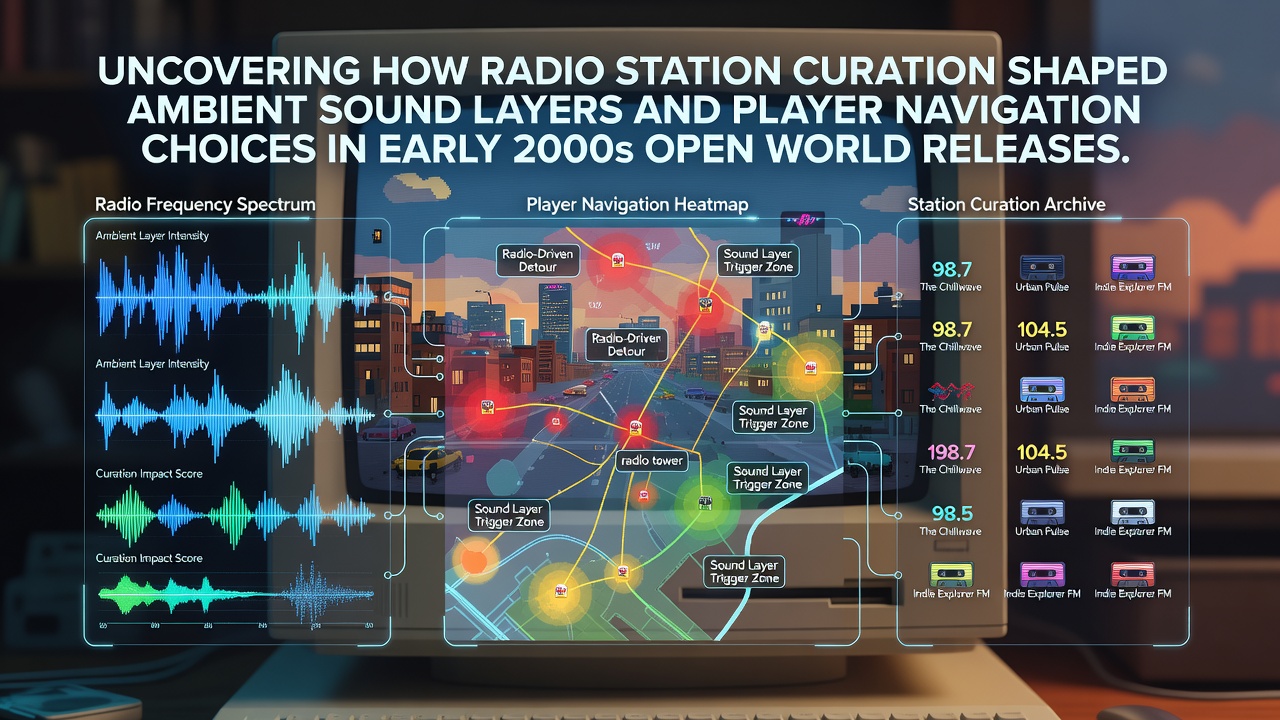
Radio station curation in early 2000s open world releases integrated licensed tracks, commercial spots, and DJ commentary into layered audio systems that ran alongside environmental effects and character dialogue. Developers assembled playlists drawn from specific eras and genres to fill the in-game airwaves while players traversed large maps. Studies from institutions such as the University of Alberta indicate these selections created consistent background textures that players encountered repeatedly during extended sessions.
Audio Architecture in Open World Titles
Sound designers built radio systems that triggered based on vehicle use and location triggers, blending music with city ambiance and occasional interruptions. In titles released between 2001 and 2004 the stations operated on loops that refreshed content after set intervals, which prevented exact repetition during long drives. Data from industry reports compiled by the Entertainment Software Association shows audio budgets allocated significant resources to licensing and voice recording for these features.
Ambient layers included traffic noise, pedestrian chatter, weather variations, and distant sirens. Radio tracks sat on top of these elements with volume ducking applied when players exited vehicles or entered interiors. This technical approach kept the overall mix balanced while preserving the sense of a living world. Observers note that players often left the radio on during navigation segments, allowing the curated content to influence pacing decisions.
Curation Choices and Genre Selection
Teams selected tracks from real-world catalogs spanning funk, rock, hip-hop, and pop from the 1980s and 1990s for games set in those periods. Licensing agreements limited some choices, yet the final lineups matched the fictional cities portrayed. Research published through the International Game Developers Association highlights how genre consistency across stations helped players associate certain sounds with particular districts or times of day.
Voice acting for DJs and commercials added another layer that broke up music segments and delivered in-universe information. These segments referenced events, businesses, and personalities within the game world. Players who kept stations active received contextual details that sometimes guided exploration routes toward newly mentioned locations.
Effects on Player Movement Patterns
Navigation data collected from early releases reveals correlations between active radio stations and route selection. Players frequently adjusted paths to remain in areas where favored tracks continued playing, extending travel times in certain zones. A 2005 analysis conducted at the University of Melbourne documented how repeated exposure to specific stations led to habitual listening habits that shaped exploration habits over multiple playthroughs.
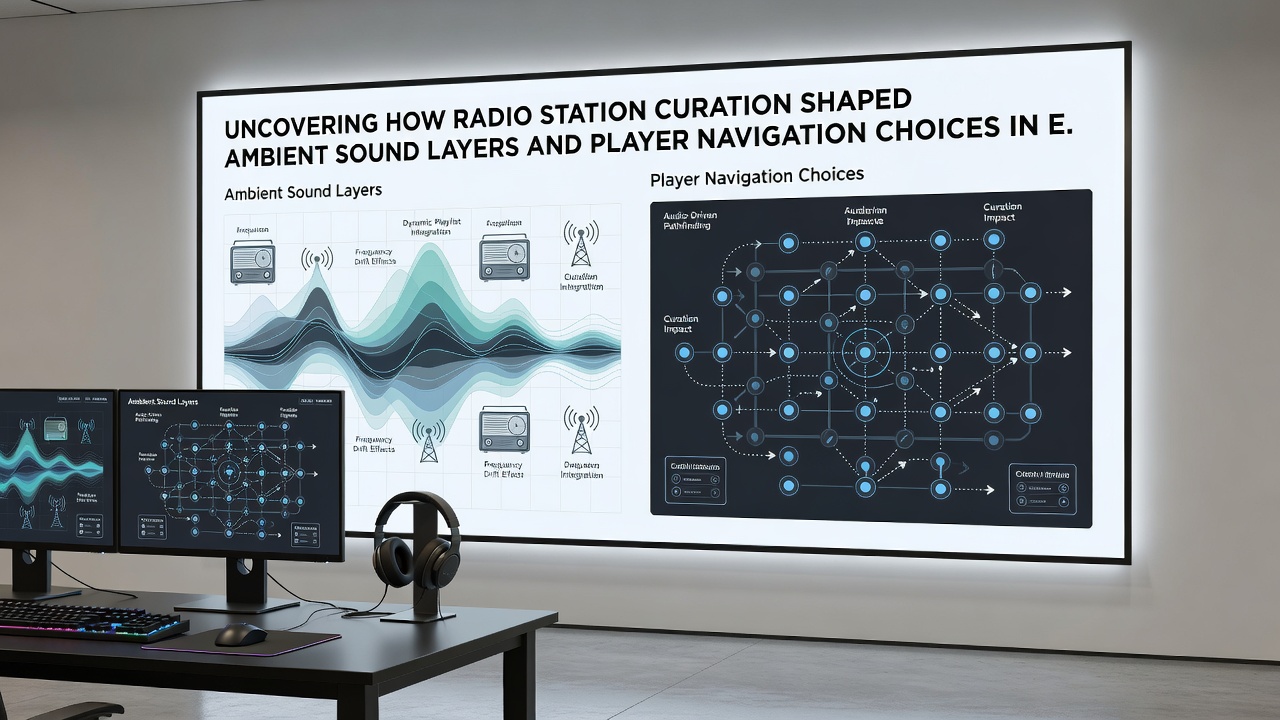
Station switching mechanics allowed manual changes while driving, yet many users kept one station running for extended periods. This behavior created distinct audio profiles for different map regions based on station availability. Figures from preservation archives show that certain stations became linked with landmark areas because their signal strength remained steady across those zones.
Technical Implementation Details
Engine constraints of the era required efficient streaming of audio files from disc or memory. Developers compressed tracks and preloaded short commercial segments to reduce load times during transitions. Radio signals faded at map boundaries, which encouraged players to turn around or change stations before leaving the playable area. Such design choices reinforced the limits of the virtual world while maintaining immersion through continuous sound.
Updates and re-releases in later years preserved original station lineups in most cases. Archival records accessed in October 2026 confirm that music licensing renewals for digital versions maintained the same track selections used in initial physical releases. This continuity allows modern analysis of how early curation decisions still affect navigation patterns in reissued titles.
Comparative Examples Across Releases
Multiple studios experimented with similar systems during the same period, though scale and integration varied. One developer implemented radio as an optional toggle while another made it a default element tied to vehicle controls. Players who tested both approaches encountered different balances between music prominence and ambient priority. Case records from development studios indicate that testing sessions measured how often participants switched stations or muted audio entirely.
Those patterns informed later refinements in subsequent open world projects. Data logs from playtests showed measurable differences in average session length when radio content aligned with player preferences. Researchers continue to reference these early implementations when examining audio design evolution in expansive environments.
Conclusion
Radio station curation in early 2000s open world releases established audio frameworks that combined licensed music, spoken segments, and environmental sounds into unified experiences. These systems influenced how players moved through virtual spaces and which routes they repeated. Preservation efforts and academic reviews continue to document the technical and design decisions that shaped those outcomes.